
Does Chain Link Fence Rust Causes and Solutions for Rust Prevention
Does Chain Link Fence Rust
Yes, a Chain Link Fence can rust because most chain link products are made from steel wire. Steel is strong and practical for fencing, but when untreated steel is exposed to moisture and oxygen for a long period, corrosion can eventually develop.
However, not every Chain Link Fence will rust at the same speed. The material, surface treatment, installation environment and level of maintenance all affect how quickly corrosion develops.
This is why two fences that look almost identical when they are first installed may perform very differently after several years outdoors. One may remain in good condition while another begins showing signs of rust much earlier.
From a practical engineering point of view, the question is not simply whether chain link fencing can rust. The more useful question is what causes the rust and how the correct material can reduce the risk.
Why Does Chain Link Fence Rust
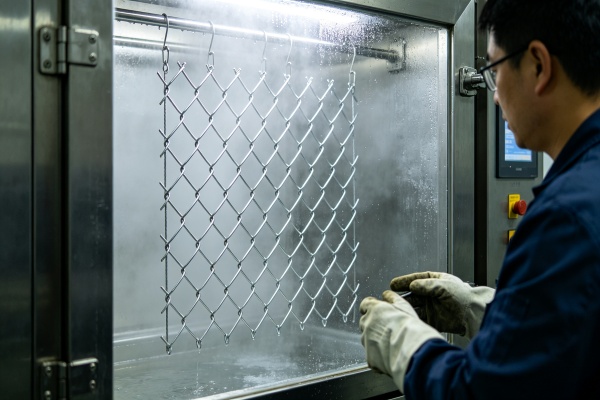
Most Chain Link Fencing is manufactured from steel wire. Steel contains iron, and when iron is exposed to oxygen and moisture, a chemical reaction can gradually cause corrosion.
Rain, humidity, condensation and standing water can all contribute to this process. In outdoor applications, the fence may also be exposed to salt, industrial pollution, soil moisture and other environmental factors.
The main purpose of galvanizing or applying a protective coating is to reduce direct contact between the steel and the surrounding environment.
For this reason, surface treatment is one of the most important factors when selecting a fence for outdoor use.
Does Galvanized Chain Link Fence Rust
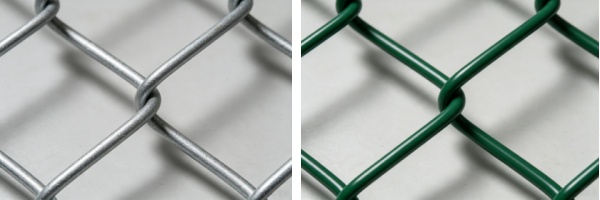
Galvanized Chain Link Fence can eventually rust, but the zinc coating on the steel wire helps slow down corrosion.
During the galvanizing process, zinc is applied to the surface of the steel wire. This protective layer reduces direct exposure of the steel to moisture and air.
For many outdoor projects, galvanized wire provides a practical balance between cost, strength and corrosion resistance.
A properly selected Chain Link Fencing system made from galvanized steel is commonly used for farms, gardens, industrial areas and general perimeter fencing.
However, galvanized does not mean completely rust proof. Over time, the zinc layer can gradually be affected by the environment. If the coating is heavily damaged or eventually wears away, the steel underneath may begin to corrode.
What Affects the Performance of Galvanized Wire
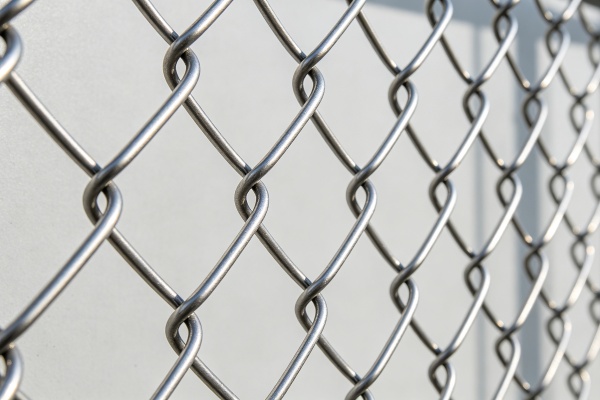
The corrosion resistance of galvanized wire can be affected by several factors.
- Zinc coating specification
- Steel wire quality
- Wire diameter
- Humidity
- Rainfall
- Salt exposure
- Industrial pollution
- Mechanical damage
- Maintenance conditions
When comparing Galvanized Fence Mesh products, buyers should avoid assuming that every galvanized product provides the same level of protection.
The actual specification should always be confirmed before ordering.
Does PVC Coated Chain Link Fence Rust
PVC Coated Chain Link Fence uses steel wire as the main structural core and adds a protective PVC layer around the outside.
This additional surface layer can help reduce exposure to moisture and can also provide different color options.
Common examples include Green Chain Link Fence and Black Chain Link Fence.
A properly manufactured Plastic Coated Chain Link Fence can provide both the structural strength of steel and the appearance benefits of a colored outer coating.
However, the internal steel core is still an important part of the product. If the PVC coating is damaged and the steel wire becomes exposed, corrosion may eventually occur.
Why Steel Core Diameter Matters
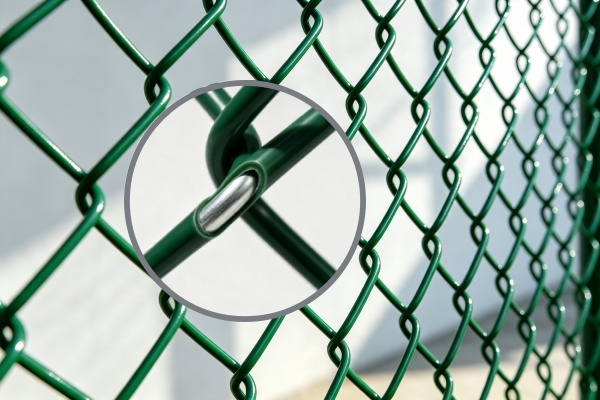
When purchasing PVC Coated Chain Link Fence, buyers should confirm both the steel core diameter and the finished outside diameter.
Two wires may have the same finished diameter while using different steel core sizes.
For example, one product may have a thicker steel core with a thinner coating, while another may have a thinner steel core with a thicker PVC layer.
The steel core provides most of the mechanical strength, while the outer coating mainly provides surface protection and appearance.
Looking at both specifications gives buyers a more accurate understanding of the product.
Which Chain Link Fence Material Has Better Rust Resistance
Different materials provide different levels of corrosion resistance.
Galvanized Steel
Galvanized steel is one of the most commonly used materials because it provides good outdoor performance at a practical cost.
It is suitable for many Farm Chain Link Fence, Garden Chain Link Fence and general boundary applications.
PVC Coated Steel
PVC coated steel adds an additional protective surface and provides color options.
It is commonly selected for gardens, parks, residential areas and sports facilities.
Stainless Steel
Stainless Steel Chain Link Fence is often selected when higher corrosion resistance is required.
It may be suitable for humid or corrosive environments, although the material cost is generally higher than standard galvanized steel.
The correct choice should depend on the actual installation environment and project requirements.
What Environments Cause Chain Link Fence to Rust Faster
The installation environment has a major effect on the service life of Metal Wire Fence products.
Coastal Areas
Coastal air contains salt, and salt can accelerate corrosion on metal surfaces.
Fences installed near the ocean may require stronger corrosion protection than fences installed in dry inland areas.
For these projects, buyers may consider heavier galvanizing, PVC coating or stainless steel depending on the expected service conditions.
High Humidity Areas
High humidity increases the amount of moisture in the air.
When steel remains exposed to moisture for long periods, the risk of corrosion can increase.
This is particularly important for outdoor fencing projects in tropical environments with frequent rainfall.
Industrial Areas
Industrial environments can also create more demanding conditions for fencing materials.
Depending on the location, pollution, dust and chemical contaminants may affect the surface of the fence.
Industrial Chain Link Fence projects should therefore consider the local environment as well as the mechanical strength requirements.
Areas with Standing Water
Water that remains around the bottom of the fence or posts for long periods can create a more aggressive corrosion environment.
Good drainage around the installation area can help reduce unnecessary moisture exposure.
Can a Rusty Chain Link Fence Be Repaired
In many cases, small areas of surface corrosion can be inspected and repaired before the problem becomes more serious.
The correct repair method depends on the level of damage.
If the corrosion is only on a small surface area, the affected section may be cleaned and treated with a suitable protective product.
If the steel wire has become heavily corroded and lost structural strength, replacing the damaged mesh may be a better solution.
For older Chain Link Fence Mesh installations, it is important to inspect not only the mesh but also the posts, rails, tension wires and fixing accessories.
Sometimes the visible rust on the mesh is only one part of a larger maintenance problem.
How to Prevent Chain Link Fence from Rusting
Although no steel fencing material can remain completely unaffected by the environment forever, there are several practical ways to reduce corrosion.
Choose the Right Surface Treatment
The surface treatment should match the installation environment.
Galvanized wire may be sufficient for many standard projects, while more demanding environments may require additional protection.
Select the Correct Wire Specification
The wire diameter should be suitable for the intended application.
A heavier wire may provide better mechanical strength, especially for Security Chain Link Fence, Animal Chain Link Fence and other applications where the mesh may experience regular pressure.
Avoid Damaging the Surface
Care should be taken during transportation and installation.
Heavy scratching, cutting or repeated impact can damage protective coatings and expose the steel surface.
Keep Vegetation Under Control
Plants growing through the mesh can trap moisture and make inspection more difficult.
Regularly clearing excessive vegetation can help keep the fence easier to maintain.
Check the Fence Periodically
Regular inspection can help identify small problems early.
Damaged coating, loose posts and local corrosion are usually easier to manage when discovered before the damage becomes extensive.
Does Rust Affect the Strength of Chain Link Fence
Light surface corrosion may mainly affect appearance, but severe corrosion can gradually reduce the thickness and strength of the steel wire.
If corrosion continues for a long period, the wire may become weaker and more likely to break under pressure.
This is especially important for applications such as Security Chain Link Fence, Livestock Chain Link Fence and Perimeter Chain Link Fence where the fence may need to withstand physical force.
For these applications, the condition of the complete fencing system should be checked regularly.
The mesh is important, but the posts and accessories must also remain structurally sound.
Choosing Chain Link Fence for Different Applications
The same material specification is not always suitable for every application.
Farm and Garden Applications
Farm Chain Link Fence and Garden Chain Link Fence are often installed in normal outdoor environments.
Galvanized steel can provide a practical solution when the local corrosion conditions are not especially severe.
PVC Fence Mesh may also be selected when color and appearance are important.
Animal Applications
Animal Chain Link Fence and Livestock Chain Link Fence should be selected according to the size and behavior of the animals.
The mesh opening, wire diameter and supporting posts should all be considered.
Sports Applications
Sports Chain Link Fence and Tennis Court Chain Link Fence are often exposed to repeated impact.
PVC coated products may be selected because they can provide both outdoor protection and a cleaner appearance around sports facilities.
Industrial and Perimeter Applications
Industrial Chain Link Fence and Perimeter Chain Link Fence projects may require stronger mesh, higher fence heights and more robust supporting structures.
For these projects, the fence should be considered as a complete system rather than selecting the mesh alone.
What Should Buyers Check Before Ordering Chain Link Fence
Before purchasing a Chain Link Mesh product, buyers should confirm the complete technical specification.
- Steel wire material
- Wire diameter
- Mesh opening
- Fence height
- Surface treatment
- Zinc coating specification
- PVC coating requirement
- Color
- Installation environment
- Post and accessory specifications
These details are more useful than simply comparing product names or prices.
Two products may both be described as Wire Mesh Fence or Steel Wire Mesh Fence while using completely different materials and surface treatments.
Confirming the full specification helps ensure the fence is suitable for the intended project.
Conclusion
Yes, Chain Link Fence can rust because most products are made from steel wire.
However, the speed of corrosion depends heavily on the surface treatment and installation environment.
Galvanized Chain Link Fence provides practical corrosion resistance for many outdoor applications. PVC Coated Chain Link Fence can provide an additional protective layer and different color options. Stainless Steel Chain Link Fence may be selected when higher corrosion resistance is required.
The best way to reduce rust is to choose the correct material, confirm the wire and coating specifications, install the fence properly and carry out regular inspections.
With the correct specification, a properly maintained Chain Link Fence can provide reliable long term performance for farms, gardens, sports facilities, industrial areas and perimeter protection projects.