
How to Prevent Chain Link Fence From Rusting Maintenance Tips for Metal Mesh Fence
How to Prevent Chain Link Fence from Rusting
Rust is one of the main concerns when a Chain Link Fence is installed outdoors. Because most chain link products are made from steel wire, they can eventually corrode when exposed to moisture, oxygen and harsh environmental conditions. The good news is that rust can usually be slowed down significantly by choosing the right material, surface treatment and installation method.
In practice, preventing corrosion starts before the fence is installed. Once a fence is already heavily rusted, maintenance becomes more difficult and expensive. Choosing the correct Chain Link Fence specification for the environment is usually the first and most important step.
For example, a fence installed in a dry inland area does not face the same corrosion conditions as a fence installed near the ocean or in a tropical area with high humidity and frequent rainfall. The product should therefore be selected according to where it will actually be used rather than simply choosing the lowest price or the thickest wire.
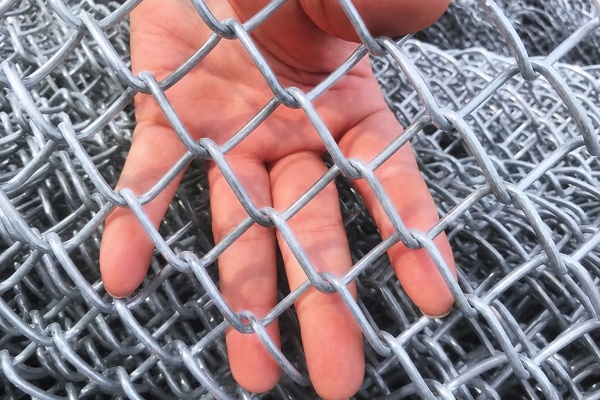
Why Does Chain Link Fence Rust
Most Chain Link Fencing is manufactured from steel wire. Steel is strong and flexible, which makes it suitable for woven fencing, but it can corrode when moisture and oxygen reach the metal surface.
Rusting is usually a gradual process. Small areas of surface damage may appear first, followed by larger corrosion areas if the problem is not controlled.
Several environmental conditions can increase the risk of corrosion.
- High humidity
- Frequent rainfall
- Coastal salt exposure
- Industrial pollution
- Standing water
- Damaged protective coating
- Vegetation trapping moisture around the fence
Understanding these conditions makes it easier to choose the correct material and maintenance method.
Choose the Right Surface Treatment
The surface treatment is one of the most important factors in preventing corrosion. Different environments require different levels of protection.
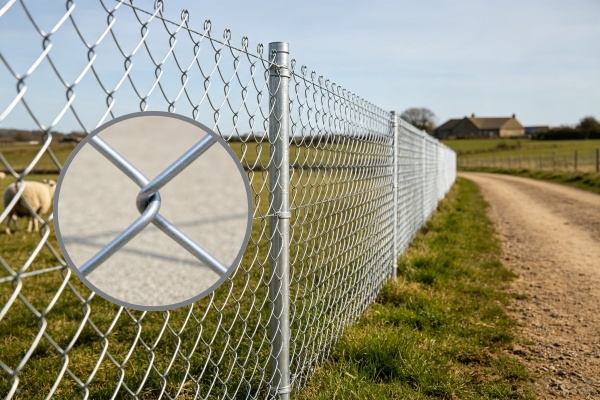
Galvanized Chain Link Fence
Galvanized Chain Link Fence is one of the most common choices for outdoor fencing. The steel wire is protected with a zinc coating that helps reduce direct exposure to moisture and oxygen.
For many farms, gardens and general perimeter applications, galvanized steel provides a practical balance between durability and cost.
However, buyers should confirm the actual galvanizing specification. Two products may both be described as galvanized, while the zinc coating level can still be different.
A properly specified Chain Link Fencing system should be selected according to the local climate and expected service conditions.
PVC Coated Chain Link Fence
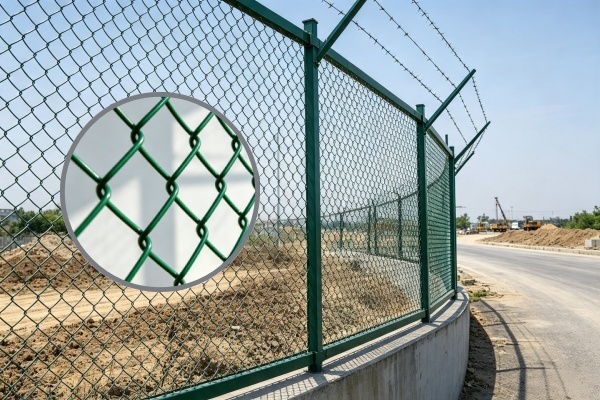
PVC Coated Chain Link Fence uses a steel wire core with an additional PVC protective layer around the outside.
The PVC layer can provide an additional barrier against moisture and can also provide different color options.
Green Chain Link Fence is commonly used in gardens, parks and sports facilities. Black Chain Link Fence is often selected for residential and commercial projects where appearance is important.
Plastic Coated Chain Link Fence can be a useful choice for projects that require both outdoor protection and a cleaner visual appearance.
Stainless Steel Chain Link Fence
Stainless Steel Chain Link Fence may be selected for environments where higher corrosion resistance is required.
It can be suitable for humid or corrosive environments, although the initial material cost is generally higher than standard galvanized steel.
The correct choice should be based on the actual project requirements rather than automatically selecting the most expensive material.
Select the Correct Wire Specification
Wire diameter is mainly related to the mechanical strength of the fence, but it can also influence long term durability.
A fence exposed to regular impact, animals or security pressure may require a stronger wire than a simple garden boundary.
For example, Farm Chain Link Fence and Garden Chain Link Fence may use different specifications from Industrial Chain Link Fence or Security Chain Link Fence.
However, a thicker wire alone does not guarantee better corrosion resistance.
A thick wire with poor surface protection can still rust quickly in a harsh environment. The best approach is to select a suitable combination of steel wire diameter and protective coating.
Prevent Damage to the Protective Surface
Galvanized and coated steel wire can provide corrosion protection, but the protective surface can be damaged during transportation and installation.
Deep scratches, heavy impact and careless handling may expose the steel underneath the protective coating.
To reduce this risk, the mesh should be handled carefully when unloading and installing.
Sharp tools should not be dragged across the wire unnecessarily, and the fence should not be forced into position in a way that damages the coating.
This is particularly important for PVC Chain Link Fence and other coated products because visible damage can affect both appearance and long term protection.
Install the Fence with Proper Drainage
Water that remains around a fence for long periods can increase the risk of corrosion.
When planning a fence installation, it is useful to consider how rainwater will drain away from the fence line.
Posts should not remain continuously surrounded by standing water, especially in low areas where rainwater collects.
Good drainage can reduce the amount of time that moisture remains in contact with the fence and supporting structure.
This is particularly important for Industrial Chain Link Fence and Perimeter Chain Link Fence projects where the fence may be installed for long term use.
Keep Plants and Vegetation Away from the Fence
Plants growing through a Chain Link Mesh can create several maintenance problems.
Vegetation can trap moisture against the steel wire and make it difficult to inspect the surface.
Heavy plants may also pull on the mesh and cause deformation.
Keeping the fence line reasonably clear makes it easier to inspect the mesh and identify small problems early.
This simple maintenance step is useful for Garden Chain Link Fence, Farm Chain Link Fence and many other outdoor applications.
Inspect the Fence Regularly
Regular inspection is one of the easiest ways to prevent small corrosion problems from becoming major repairs.
During inspection, check the fence for damaged coating, loose posts, broken wires and areas where water or vegetation may remain against the fence.
Particular attention should be given to the bottom of the fence and areas near the ground because moisture may remain there longer.
For larger fencing projects, a simple maintenance schedule can make long term management easier.
What to Check During Inspection
- Rust spots
- Damaged galvanized surfaces
- Damaged PVC coating
- Loose or leaning posts
- Broken mesh wires
- Loose tension wires
- Damaged fittings
- Standing water near the fence
Finding these problems early usually makes repairs easier and less expensive.
Clean the Fence When Necessary
Outdoor fencing can collect dust, mud, leaves and other debris.
In most cases, simple cleaning with water can help remove accumulated dirt from the surface.
Keeping the fence reasonably clean can make it easier to inspect the condition of the coating and identify damaged areas.
For Metal Mesh Fence installations located in industrial environments, cleaning requirements may depend on the amount of dust or pollution present in the area.
When cleaning coated fencing, abrasive tools should be avoided because they may damage the protective surface.
Repair Small Damage Before It Gets Worse
Small damaged areas should not always be ignored.
If corrosion begins at one small location and continues to spread, a minor maintenance issue can eventually become a larger repair.
The appropriate repair method depends on the type of fence and the level of damage.
Minor surface problems may sometimes be cleaned and treated with suitable protective products. Heavily damaged wire may need to be replaced.
For older Chain Link Fence Mesh installations, it is important to check the entire fencing system rather than focusing only on the visible damaged area.
Posts, rails, tension wires and fixing accessories should also be inspected.
Choose the Right Fence for Coastal Areas
Coastal environments require additional attention because salt in the air can accelerate corrosion.
A standard galvanized product may be suitable for some conditions, but more demanding coastal projects may require heavier corrosion protection.
Depending on the project, buyers may consider a higher galvanizing specification, PVC Coated Chain Link Fence or Stainless Steel Chain Link Fence.
The correct choice depends on how close the fence is to the ocean, the local weather conditions and the expected service life.
For projects requiring long term perimeter protection, it is usually better to discuss the installation environment before confirming the final specification.
Choose the Right Fence for Humid and Tropical Areas
High humidity and frequent rainfall can increase the amount of time that metal fencing remains exposed to moisture.
For tropical applications, corrosion protection should be considered during the design stage.
Galvanized Fence Mesh may be suitable for many projects, but PVC coating can provide an additional protective layer where needed.
Proper drainage and regular maintenance are also important because even a well protected fence can experience problems if water remains trapped around the structure.
Consider the Complete Fencing System
Rust prevention should not focus only on the Chain Link Wire Mesh.
The complete fence system includes posts, rails, tension wires, fittings and other accessories.
If the mesh is highly corrosion resistant but the supporting posts deteriorate quickly, the overall fence performance can still be affected.
For this reason, the surface treatment of the supporting components should be considered together with the mesh.
This is especially important for Security Chain Link Fence, Airport Chain Link Fence and other projects where the fence must remain stable for a long period.
How Different Applications Affect Material Selection
Garden and Residential Areas
Garden Chain Link Fence projects often consider both appearance and durability.
Galvanized wire may be suitable for standard applications, while Green Chain Link Fence or Black Chain Link Fence can provide a more decorative appearance.
Farms and Animal Areas
Farm Chain Link Fence, Animal Chain Link Fence and Livestock Chain Link Fence should be selected according to the local environment and the type of animals.
The wire diameter, mesh opening and supporting structure should all be considered.
Sports Facilities
Sports Chain Link Fence and Tennis Court Chain Link Fence are often exposed to repeated impact.
The fence should therefore provide suitable mechanical strength while also maintaining outdoor corrosion resistance.
Industrial and Security Projects
Industrial Chain Link Fence and Security Chain Link Fence may require stronger mesh, higher fence heights and more durable supporting components.
For these projects, selecting the correct corrosion protection can help reduce long term maintenance requirements.
What Should Buyers Confirm Before Ordering
Before purchasing a Chain Link Mesh, buyers should confirm the complete specification.
- Steel wire material
- Wire diameter
- Mesh opening
- Fence height
- Surface treatment
- Zinc coating specification
- PVC coating requirement
- Color requirement
- Installation environment
- Post and accessory specifications
Comparing these specifications is generally more useful than comparing product names alone.
Two products may both be described as Wire Mesh Fence, Metal Wire Fence or Woven Wire Fence while using different wire specifications and surface treatments.
The complete technical specification should therefore be confirmed before production.
Conclusion
Preventing a Chain Link Fence from rusting starts with selecting the correct material for the installation environment.
Galvanized steel provides practical protection for many applications. PVC Coated Chain Link Fence can provide an additional protective surface and color options. Stainless Steel Chain Link Fence may be selected when higher corrosion resistance is required.
Proper installation, good drainage, careful handling and regular maintenance can also help extend the service life of the fence.
By selecting the correct wire, coating and complete supporting system, a properly maintained Chain Link Fence can provide reliable long term performance in farms, gardens, sports facilities, industrial areas and perimeter protection projects.