wangfengwiremesh@gmail.com
+86 15369905500
Hebei, China
Phone: +86 15369905500
Email: wangfengwiremesh@gmail.com
Contact: Ginny Zheng — Sales Director
A Woven Wire Fence is a type of fencing made by interlocking metal wires to create a continuous mesh structure. Unlike welded fencing, the wires in a woven fence are mechanically woven together, which gives the finished mesh a useful combination of flexibility, strength, and easy handling.
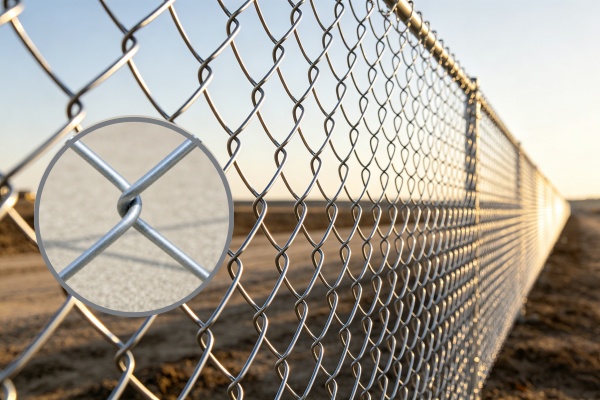
One of the most common examples is the diamond-shaped mesh used for Chain Link Fence. This type of woven fencing is widely used for property boundaries, farms, industrial sites, sports facilities, gardens, and general perimeter protection.
When choosing a Woven Wire Fence, it is easy to focus only on the mesh opening. From an engineering point of view, however, the wire diameter, material, surface treatment, fence height, and supporting structure are equally important. A good specification is the one that matches the actual job rather than simply using the heaviest mesh available.
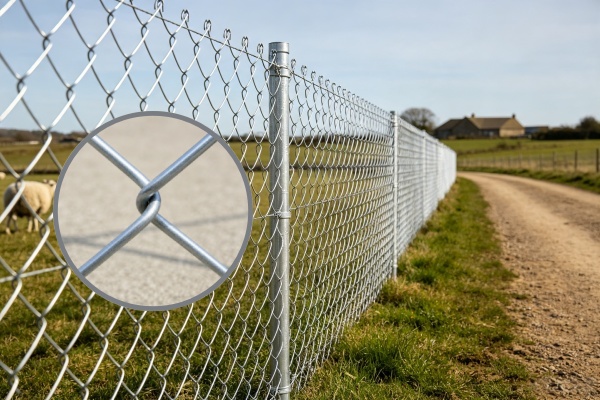
The production process starts with suitable steel wire. The wire needs to have consistent diameter and sufficient tensile strength so that it can be formed without creating weak or uneven sections in the finished mesh.
Depending on the application, the wire can be supplied with different surface treatments before or during the mesh manufacturing process.
During production, the steel wire is bent and interlocked with neighboring wires to form the required mesh opening. Diamond-shaped openings are particularly common because they provide a simple and flexible structure for many fencing applications.
The woven construction also allows the finished mesh to be supplied in rolls. This makes transportation, storage, and handling easier compared with many rigid fence panel systems.
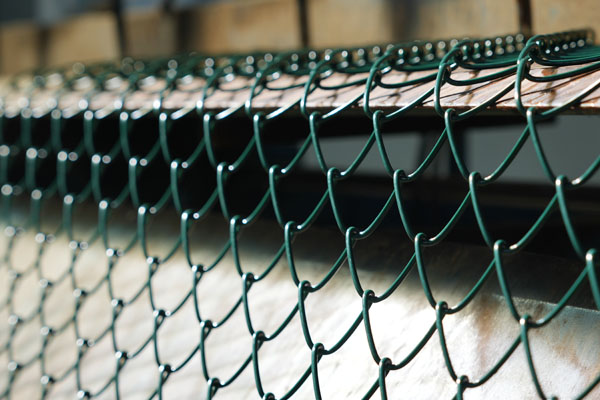
The edges of woven mesh can be finished in different ways depending on the application and safety requirements. The edge style should be considered together with the installation method and the location where the fence will be used.
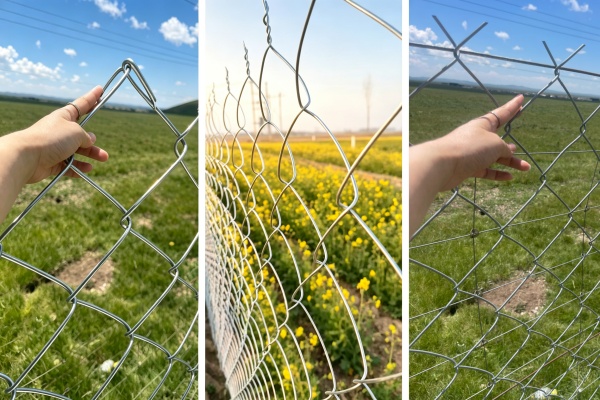
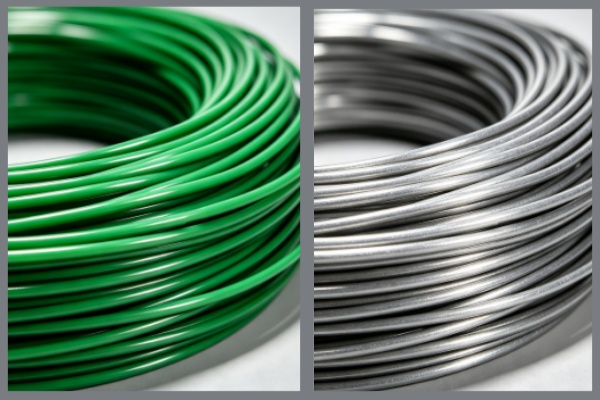
Galvanized steel wire is one of the most widely used materials for woven fencing. A zinc coating helps protect the steel from outdoor corrosion and makes the fence suitable for many general-purpose applications.
For projects requiring a traditional metallic appearance and practical outdoor corrosion resistance, a Galvanized Chain Link Fence is a common choice.
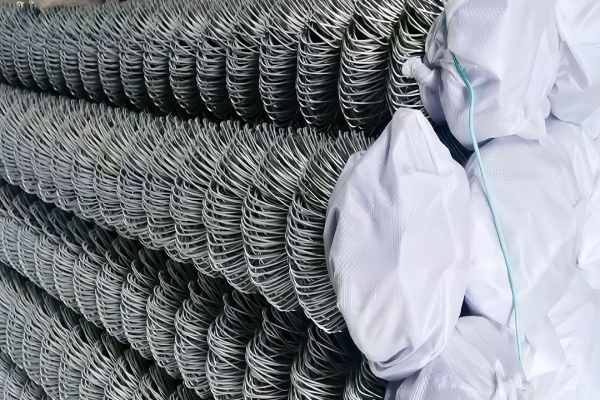
PVC coated wire consists of a steel core covered with a protective polymer layer. It is commonly used when a colored fence is preferred or when an additional protective coating is required.
A PVC Coated Chain Link Fence is a typical example of woven wire fencing using this type of construction.
When comparing PVC coated products, check both the steel core diameter and the finished coated diameter. These two measurements describe different parts of the product and should not be treated as the same specification.
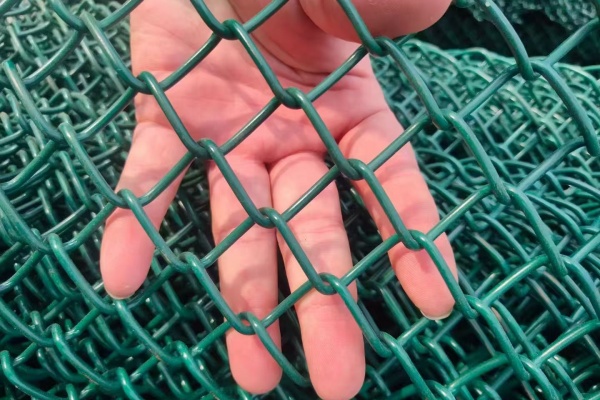
Stainless steel can also be used for woven wire fencing where higher corrosion resistance is required. It may be considered for specialized environments where ordinary carbon steel requires additional protection.
The final material selection should be based on the installation environment, expected service conditions, and project requirements.
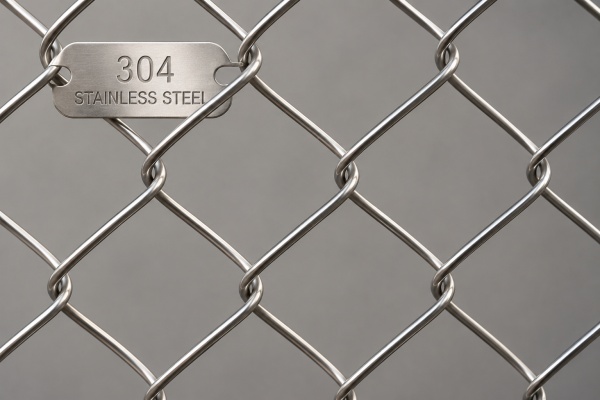
Mesh opening is one of the first specifications customers usually ask about. It affects visibility, airflow, appearance, and the ability of the fence to contain or separate objects.
Smaller openings create a denser mesh structure. They may be useful where a tighter barrier or improved containment is required.
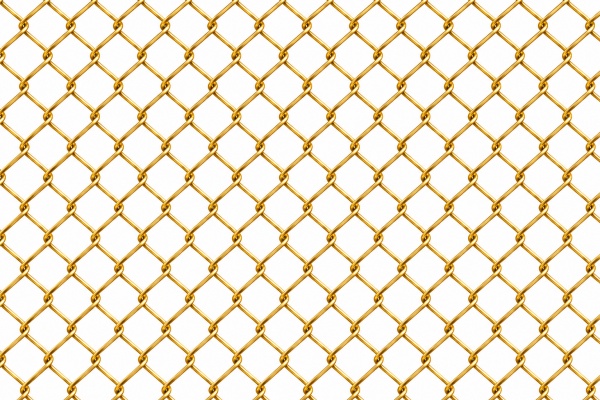
Larger openings provide more visibility and airflow. They can be suitable for general boundary fencing where complete visual blocking is not required.
There is no single mesh opening that is correct for every project. The selection should be based on what the fence is actually expected to accomplish.
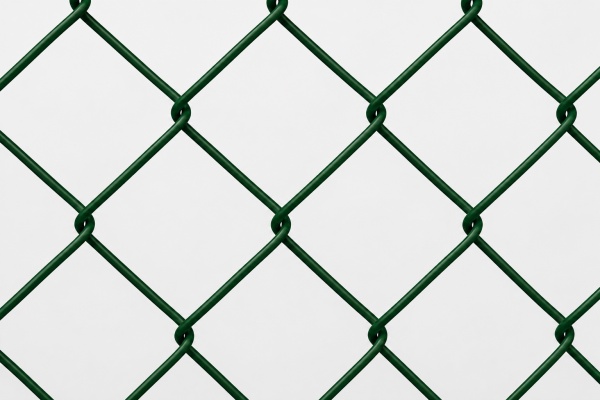
Woven wire fencing is widely used to mark residential, commercial, agricultural, and industrial boundaries. The open structure provides a clear physical boundary while maintaining visibility between both sides.
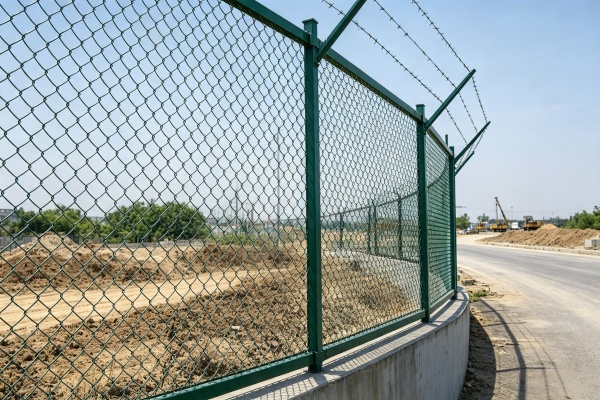
Factories, warehouses, logistics yards, workshops, and storage areas often need practical perimeter fencing.
For more demanding applications, an Industrial Chain Link Fence specification can be selected with stronger wire and a suitable supporting system.
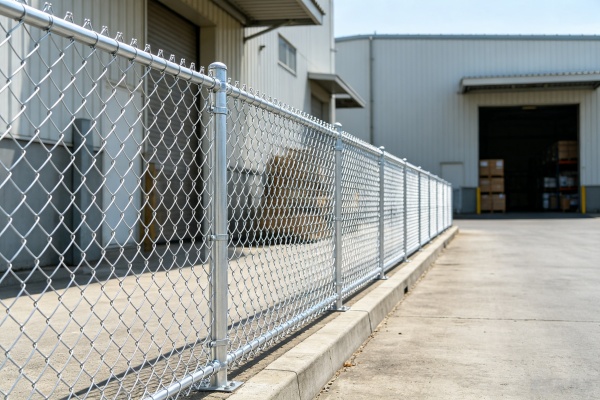
Woven wire fencing is also suitable for agricultural boundaries and general separation on farms. The mesh specification should be selected according to the type of land, animals, and level of containment required.
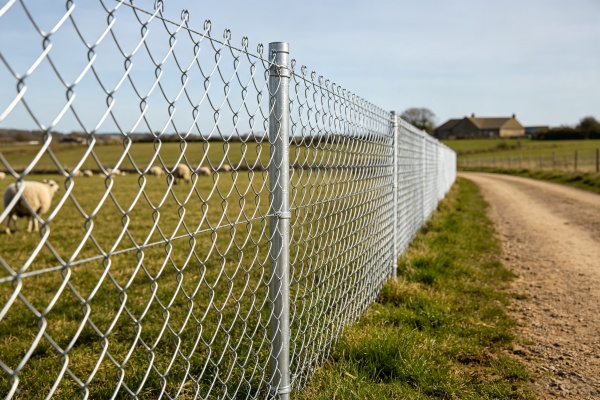
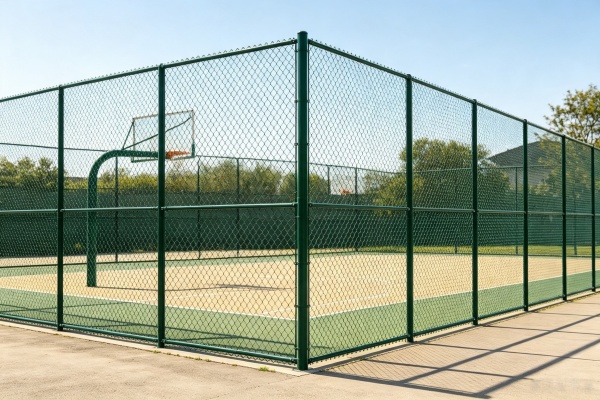
The flexible and open structure of woven fencing makes it useful around tennis courts, recreational areas, and other sports facilities.
For sports projects, fence height and wire diameter should be selected according to the type of sport and the expected impact on the fence.
Before discussing wire diameter or mesh opening, decide what the fence needs to do.
This simple step can prevent many purchasing mistakes because the same Woven Wire Fence specification is not suitable for every application.
Wire diameter directly affects the strength and weight of the mesh. A thicker wire generally provides a stronger structure, but it also increases material consumption and overall weight.
For this reason, the best specification is not necessarily the thickest one. It should be selected according to fence height, mesh opening, application, and installation conditions.
Fence height should match the purpose of the enclosure. A low garden boundary may require a very different height from an industrial perimeter.
Higher fencing also places greater demands on posts, foundations, and tension components, so the complete fencing system should be considered rather than the mesh alone.
For outdoor projects in Southeast Asia, environmental conditions deserve special attention. High humidity, frequent rainfall, strong sunlight, and coastal salt exposure can all influence the long-term condition of steel fencing.
Galvanized wire is a practical choice for many outdoor applications, while PVC coated wire can be considered when an additional coating and colored appearance are preferred.
For coastal installations, buyers should pay particular attention to the surface treatment and the quality of the supporting components because corrosion can affect not only the mesh but also posts, ties, and fixing hardware.
A good mesh specification can still perform poorly if the installation is not done correctly.
Fence posts need to be properly positioned and securely installed. Weak or poorly aligned posts can cause the mesh to become loose or uneven over time.
Woven mesh should be tensioned evenly along the fence line. Excessive tension in one area and insufficient tension in another can create an uneven appearance and unnecessary stress on the supporting structure.
The mesh should be firmly connected to the posts and other supporting components. The correct fixing method depends on the fence design and installation conditions.
Yes. Woven Wire Fence can be manufactured according to project requirements. Common customization options include:
For project orders, it is better to provide the complete specification instead of simply asking for a certain type of wire mesh. This helps ensure that the material, dimensions, and surface treatment match the actual application.
One advantage of woven fencing is that routine maintenance is relatively simple. A basic inspection from time to time can help identify problems before they become larger repairs.
In humid or coastal areas, more frequent inspections are recommended. Early detection of corrosion or mechanical damage is usually much easier to deal with than replacing a large section of damaged fencing.
Not exactly. Woven Wire Fence is a broader description of fencing produced by interlocking wires. Chain Link Fence is one of the most common types of woven wire fencing and normally uses a diamond-shaped mesh.
Yes. Woven steel fencing is widely used outdoors. The appropriate material and surface treatment should be selected according to the local environment and expected service conditions.
Yes. Industrial applications can use woven fencing with suitable wire diameter, mesh opening, fence height, posts, and supporting components. The specification should be selected according to the security and structural requirements of the site.
Yes. Wire diameter, mesh opening, fence height, roll length, surface treatment, color, and related accessories can be customized for different projects.
Woven Wire Fence is a practical fencing solution because it combines flexibility, simple installation, good visibility, and a wide range of possible specifications. It can be used for residential, agricultural, commercial, industrial, and sports applications.
The most important point when selecting woven fencing is to look beyond the product name. Wire diameter, mesh opening, fence height, material, surface treatment, supporting structure, and local environmental conditions should all be considered together.
For projects in Southeast Asia, choosing a suitable corrosion-resistant surface treatment and installing the mesh on a stable supporting structure can make a significant difference to long-term performance. A properly selected and correctly installed Woven Wire Fence can provide a reliable boundary with relatively simple maintenance.
```
The supplier understands technical requirements very well and provides practical solutions for construction projects.

Very professional team. The products perform well even under extreme weather conditions.

The gabion mesh and fencing materials met our project requirements perfectly. Very reliable supplier for long-term cooperation.

Excellent customization service for different mesh sizes. The quality control is very strict, which is important for our engineering standards.
We can suggest trusted installation partners worldwide. Remote support from our engineers can also be arranged.
chain-link-fence barbed-wire Typical lead time is 5–8 weeks from order confirmation, depending on customization.Fast-track options are available.
Yes, standard chain link fence, perforated metal, razor wire, stainless mesh, sports panels, barrier systems offer fire protection.
Our chain link fence perforated mesh barbed wire systems are tested up level.Custom designs can be engineered for higher loads based on your site requirements.
Send us your inquiry today and receive product details, quotations, and professional support within 24 hours.
+86 15369905500
Mon-Fri, 8am-6pm CST
wangfengwiremesh@gmail.com
We reply within 24 hours
+86 15369905500
Instant messaging available
Hebei, China
